The Uncomfortable Truth About Us
Let’s be honest for a second — we humans are really good at one thing: using what benefits us and forgetting about it the moment it doesn’t. We are wired to take. And rarely, if ever, do we stop to think about what we leave behind.
The Puppy We Loved — Until We Didn’t
Remember when you were a kid and begged your parents for a puppy? That excitement, those pleading eyes — yours, not the dog’s — was irresistible. But how many of those puppies ended up abandoned once they got old, sick, or simply inconvenient?
And even the love we do give — it’s selective. We go crazy over fluffy, fancy, high-breed dogs.
But the indie dog sitting outside your gate? We walk right past. No food. Not even a glance. That says a lot about us.
The Trees We Cut — and the Shade We Beg For
Winter rolls in and suddenly everyone is a forest lover — bonfires, camping trips, chopping wood like it is a personality trait. Great vibes. Terrible habits.
Fast forward to summer. We are sitting under a tree, sweating, silently thanking the sky for the shade. But we cut those trees. We cleared those forests for our weekend getaways. And now we are surprised the temperatures keep rising every year?
According to the Food and Agriculture Organization (FAO), the world loses approximately 10 million hectares of forest every year — mostly driven by agriculture, urban expansion, and human recreational activity (FAO, 2020).
Every Action Has a Reaction — Always
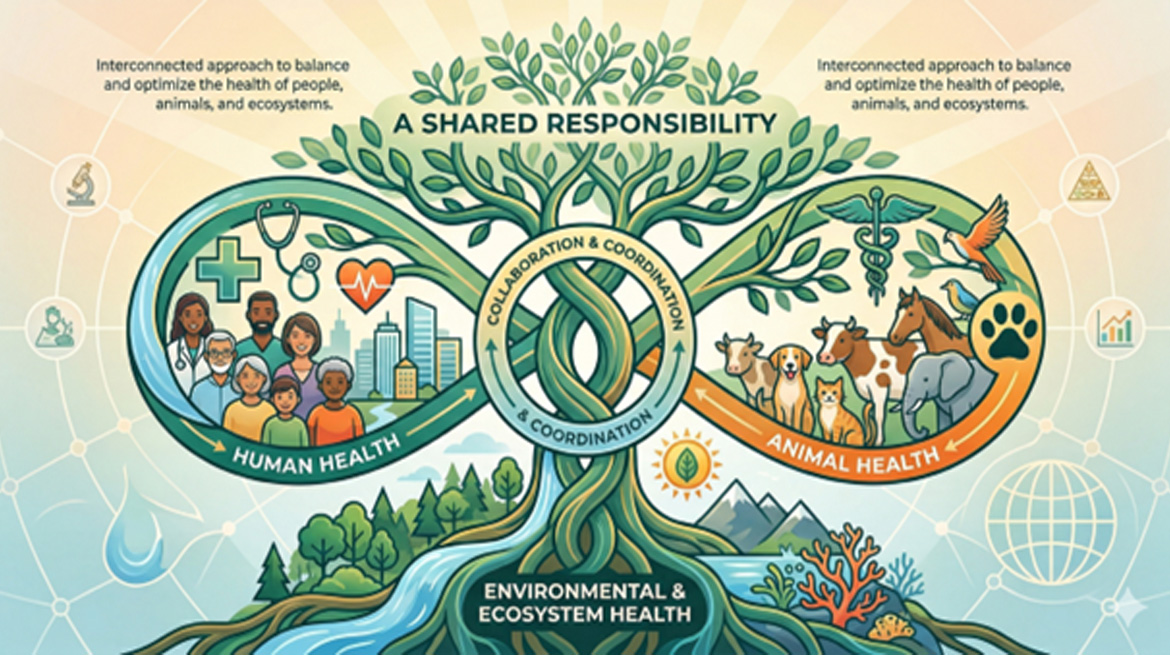
Here is the uncomfortable truth nobody wants to say out loud: everything is connected.
When we abandon sick dogs on the streets, diseases like rabies don’t disappear — they quietly build up and circle back to the next generation. The WHO estimates that rabies causes approximately 59,000 human deaths annually worldwide, with stray dog bites responsible for up to 99% of cases (WHO, 2023).
When we destroy forests for fun and convenience, the rising temperatures are not a coincidence — they are a direct consequence. We set these things in motion. And then we act shocked when they circle back to us.
So, What Can We Do?
I am not here to lecture anyone — I am figuring this out too. But I genuinely believe it is time we start seeing the bigger picture.
The dog you ignored. The tree you cut. The plastic you tossed. None of it just disappears. As responsible individuals living in the 21st century — with more information than any generation before us — we owe it to ourselves and to the planet to do better.
If we don’t care for our environment and the living beings around us, they will not care for us either. And when that moment comes — we will have no one to blame but ourselves.
Just something worth thinking about today.
References
- Food and Agriculture Organization of the United Nations (FAO). (2020). Global Forest Resources Assessment 2020. Rome: FAO. Retrieved from https://www.fao.org/forest-resources-assessment/en/
- World Health Organization (WHO). (2023). Rabies Fact Sheet. Geneva: WHO. Retrieved from https://www.who.int/news-room/fact-sheets/detail/rabies
- Intergovernmental Panel on Climate Change (IPCC). (2022). Climate Change 2022: Impacts, Adaptation and Vulnerability. Cambridge University Press.