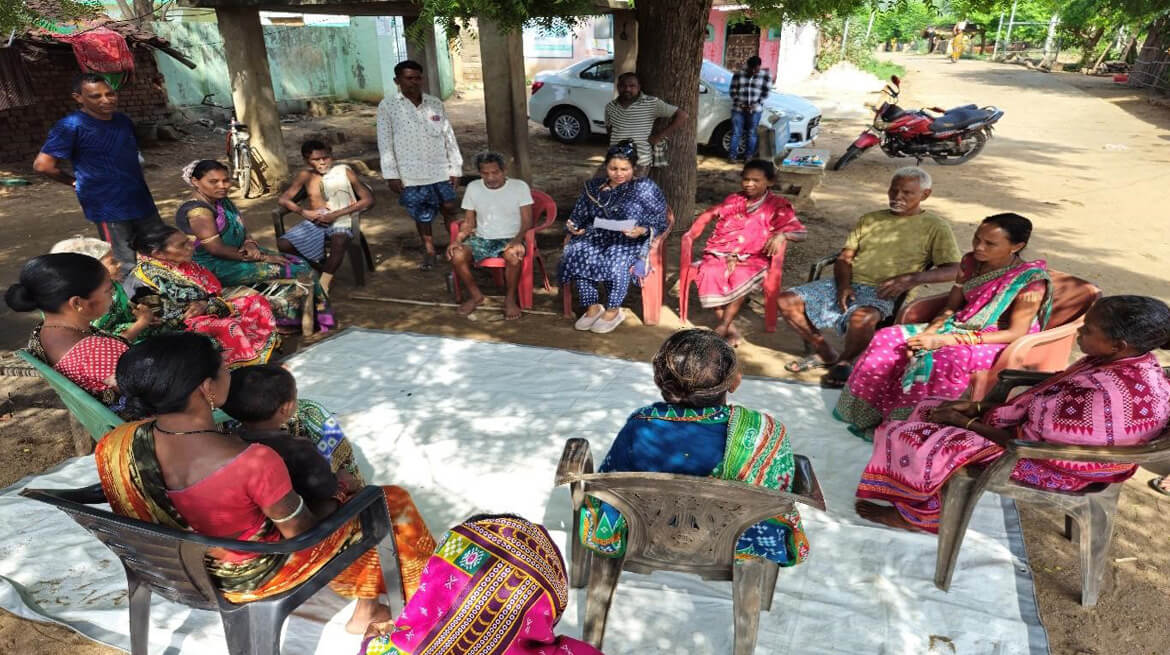
As a postgraduate student of community medicine, my training has constantly reminded me that health isn’t just a matter of hospitals, medicines, and tests, but it is about people, culture, environment, and the quiet stories that often go unheard. When I first arrived in the tribal villages of Kalahandi district to conduct my research on tobacco use among the elderly, I was prepared with tools, consent forms, and a structured questionnaire. What I wasn’t prepared for, however, was the depth of human resilience, the entrenchment of addiction, and the heartbreaking normalisation of suffering that I would witness over the following weeks.
My study titled “Tobacco Usage Pattern and Its Impact on Quality of Life in Elderly Tribal Population in a Selected District of Western Odisha – A Mixed Method Study” emerged from a personal desire to understand how something as commonplace as tobacco had carved itself into the lives of some of India’s most marginalised communities. Thanks to my guide, Prof. Dr Basanta Kumar Behera, and especially Dr Prem Sagar Panda, who never said a NO to exploring difficult challenges, the project was rooted in quantitative rigor and qualitative exploration—but on the ground, it became something far more personal. I spoke to grandmothers with no teeth who still chewed gutka every morning, grandfathers who wheezed with every breath but insisted they couldn’t sleep without a bidi, and families who believed tobacco was as necessary as food.
The findings were clear: among 200 elderly participants aged 60 and above, 73.4% used some form of tobacco. Smokeless tobacco was the most prevalent at 65.3%, consumed by both men and women, though patterns varied. Using the WHOQOL-BREF tool, we found abstainers had better scores across physical, psychological, and environmental domains. Individuals using both smoking and smokeless forms had the lowest scores.
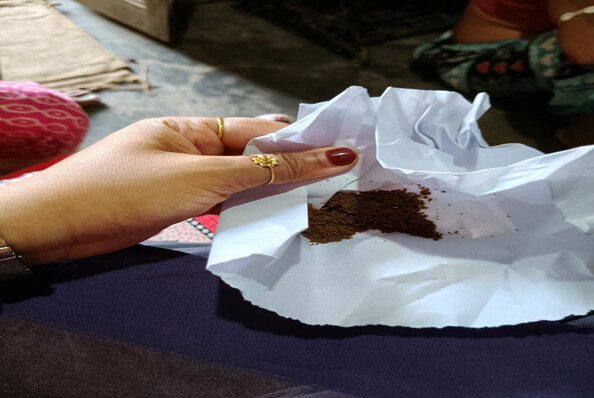
gudpag in local : smokeless tobacco
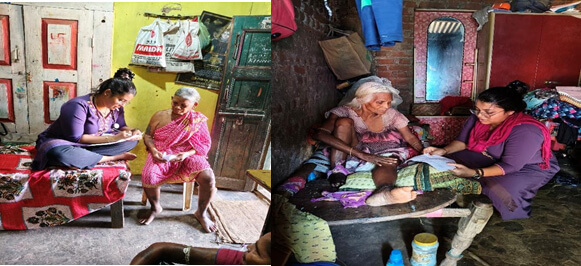
Beyond the numbers, interviews and focus groups revealed a layered reality. Many had started tobacco in childhood, initiated by parents, community rituals, or peers. For them, it wasn’t just a substance—it was a companion, a way to cope with loneliness, stress, boredom, and hunger. One elderly woman from the Dongria Kondh tribe said, “I know it gives me mouth sores, but I can’t eat without it.” Another shared, “I can’t pass my bowel properly if I don’t take gutka.” These weren’t just habits; they were dependencies shaped by decades of routine, isolation, and lack of alternatives.
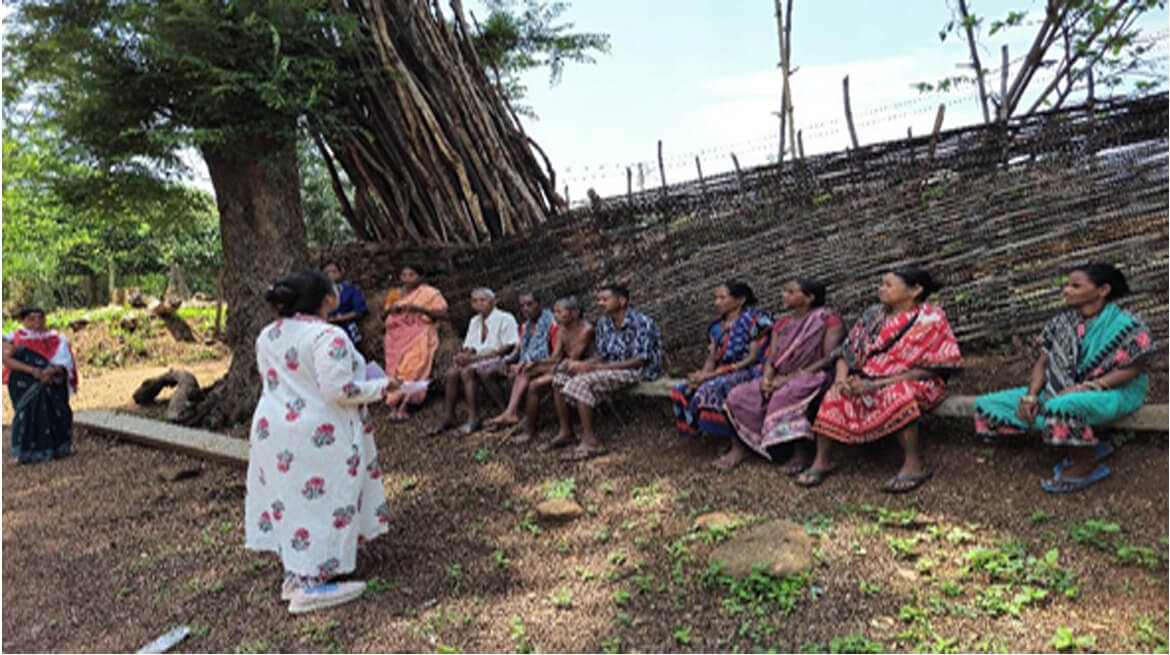
Visiting these villages, walking miles through mud paths, and sharing space with these communities was a humbling experience. As someone training to be a public health specialist, I realised the vast chasm between recommendations and grassroots realities. It was not just about telling people to quit tobacco. It was about understanding why they used it. Many knew the risks. Some had tried to quit. But with no support systems, no counselling, no affordable alternatives, and no culturally relevant interventions, relapse was inevitable. The lack of trust in health workers, or their irregular presence, only made matters worse.
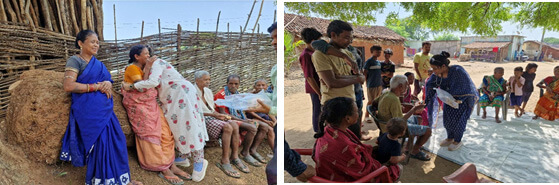
One of the most painful observations was the silent suffering of women. They not only consumed tobacco (often in smokeless forms) but were judged more harshly for it. Some told me they were ridiculed or even beaten when they tried to stop their husbands or sons from using tobacco. In these communities, patriarchy and poverty coexist, and tobacco becomes both a cause and a consequence of that cycle.
My role as a budding community medicine professional felt more urgent than ever. This wasn’t just a dissertation—it was a mirror to what needs changing in our approach. The study showed the correlation between tobacco use and poor quality of life among elderly tribals, particularly in physical health and social functioning. However, the true message wasn’t just about data. It was about empathy, about listening, and about designing interventions that resonate with people’s lived experiences.
So, what can we do
Firstly, we need culturally sensitive cessation programmes. One-size-fits-all tobacco control messages won’t work here. Narratives must be built using local dialects, through respected elders or storytellers, and connect quitting with dignity, family responsibility, and strength. We also need to train frontline workers—ASHAs and ANMs—not just in information delivery, but in empathy and elder-specific counselling.
Secondly, we must promote regular screening for oral and respiratory problems in elderly tobacco users during routine visits at Primary Health Centres. Quality of life assessments should be integrated into geriatric care to track social and psychological well-being, not just blood sugar or blood pressure.
Third, women need safe spaces and support systems. Peer-led women’s groups can provide solidarity and chip away at stigma. Economic alternatives to the local sale of tobacco products are also crucial. When communities profit from selling tobacco, they are less likely to let go of it.
Lastly, the data from such focused studies must not lie buried in journals. It should inform state-level tribal health policies, strengthen the National Tobacco Control Programme (NTCP), and guide elderly-specific interventions.
The limitations of this study such as its district-specific scope and reliance on self-reported data are acknowledged. But what it lacks in scale, it makes up for in depth. As a young doctor still finding my voice in public health, this journey reaffirmed why community medicine matters. It is not just a subject but the art of bridging the gap between people and policy, between suffering and support.
Tobacco use among elderly tribal populations is not merely a “bad habit.” It is a deeply embedded public health challenge that demands urgent, empathetic, and culturally informed action. Their twilight years shouldn’t be clouded by smoke or stained with addiction. They deserve better and it is our responsibility to give them that chance.
References
- Bhoi N, Acharya SK. Health status of particularly vulnerable tribal groups (PVTGs) of Odisha: a narrative review. 2024;43:176. doi:10.1186/s41043-024-00671-8.