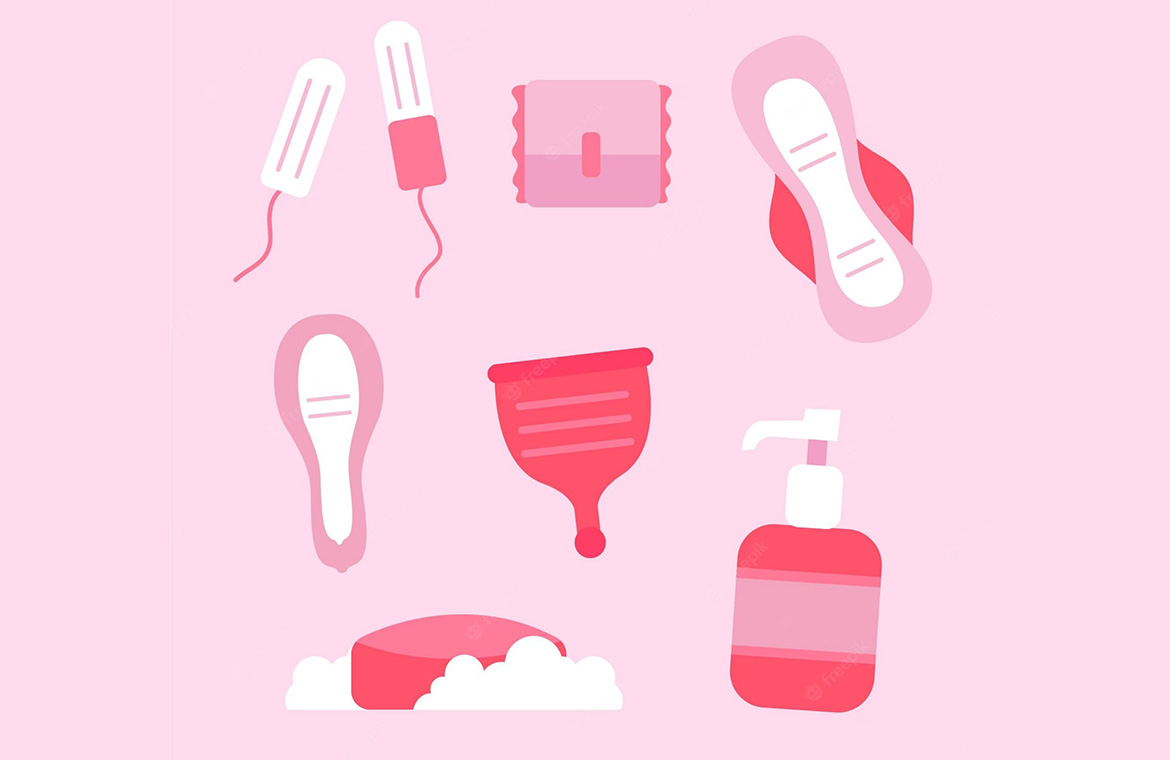
One of the most routine questions in our surveys of women of reproductive age concerns menstrual product use—pads, tampons, or cloth. On paper, it appears straightforward. In practice, the answers reveal far more than the question intends. Unless you have sat across from women in their homes or community settings and asked this yourself, the response can be surprising. A significant number simply say, “clothes.” When asked about washing practices, the reply is almost always reassuring: “We keep them clean, we keep them fresh.” Yet there is an unease that follows. What does “clean” really mean in settings with limited water, privacy, or sunlight for drying? What if the cloth is reused for long periods or stored damp? These are not trivial concerns—poor menstrual hygiene has well-documented links with reproductive tract and urinary infections. The worry is not of an outbreak overnight, but of a slow, silent accumulation of preventable morbidity.
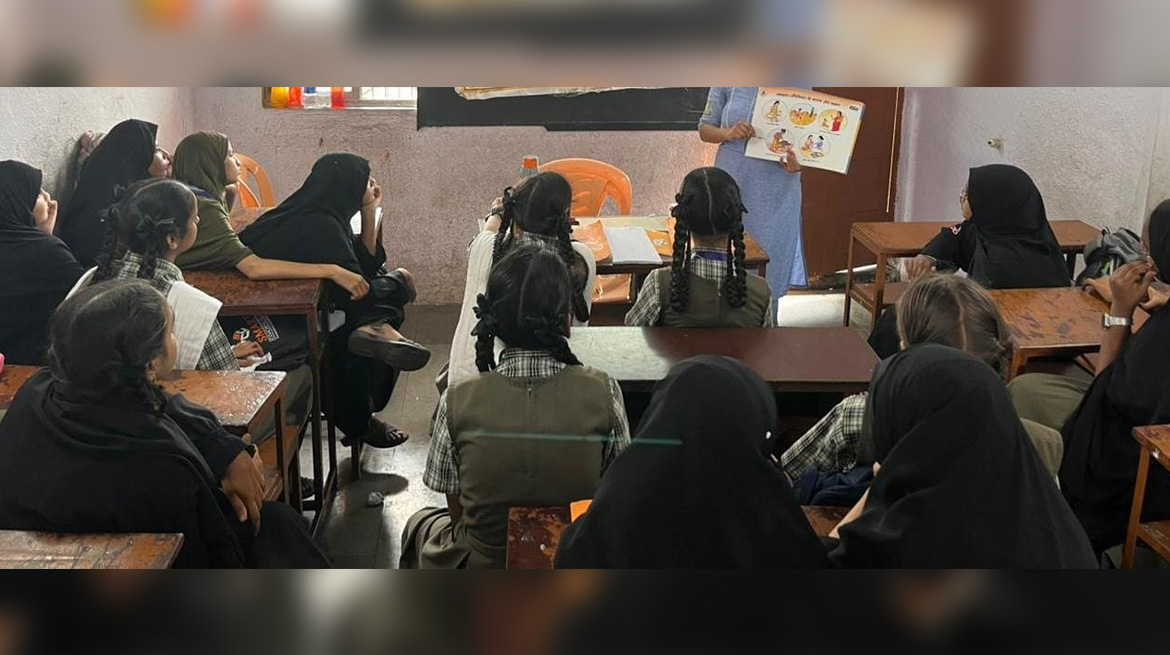
The concern does not end with cloth users. Even among those who use sanitary pads, safe practices are far from guaranteed. Government programmes do provide pads, but they are often subsidised rather than free. When supply is irregular or cost, however minimal, becomes a barrier, women tend to extend usage beyond recommended durations. During an adolescent health education session in a private school, most girls reported using pads. Yet many shared that their mothers had advised changing them once every twelve hours. This advice is not born out of neglect, but of inadequate and inconsistent messaging. When the information reaching mothers is incomplete, it is passed down unchanged.
Menstrual hygiene today also sits at the intersection of public health and environmental sustainability. Disposable pads contribute significantly to non-biodegradable waste, and scaling up their production raises legitimate environmental concerns. However, sustainability cannot be used to justify limited access. If condoms can be distributed free of cost through public depots, there is no reason why biodegradable cotton pads or menstrual cups cannot be provided alongside structured education and follow-up.
Access remains uneven even in everyday spaces. Pads are rarely available free in public washrooms, unlike soap or handwash, despite menstruation being equally routine and unavoidable. In private institutions, vending machines exist—but they require payment, reinforcing the idea that menstrual products are optional commodities rather than basic necessities.
Menstrual hygiene is not simply a matter of personal choice. It is shaped by cost, infrastructure, education, cultural transmission, and policy priorities. Until these determinants are addressed together, the real question is not what women are using—but how constrained their options continue to be.