Often, DRB residents are assigned to district hospitals with poor infrastructure and limited basic facilities. In these settings, much of the clinical or academic training gained during residency can’t be applied. These placements sometimes feel more like a way to fill vacant jobs with low-cost staff than structured training.
Many people don’t realize how the District Residency Programme (DRP) works for PSM/Community Medicine residents, especially in Mumbai. While residents in several states may be sent to district hospitals, the experience in Mumbai is quite different.
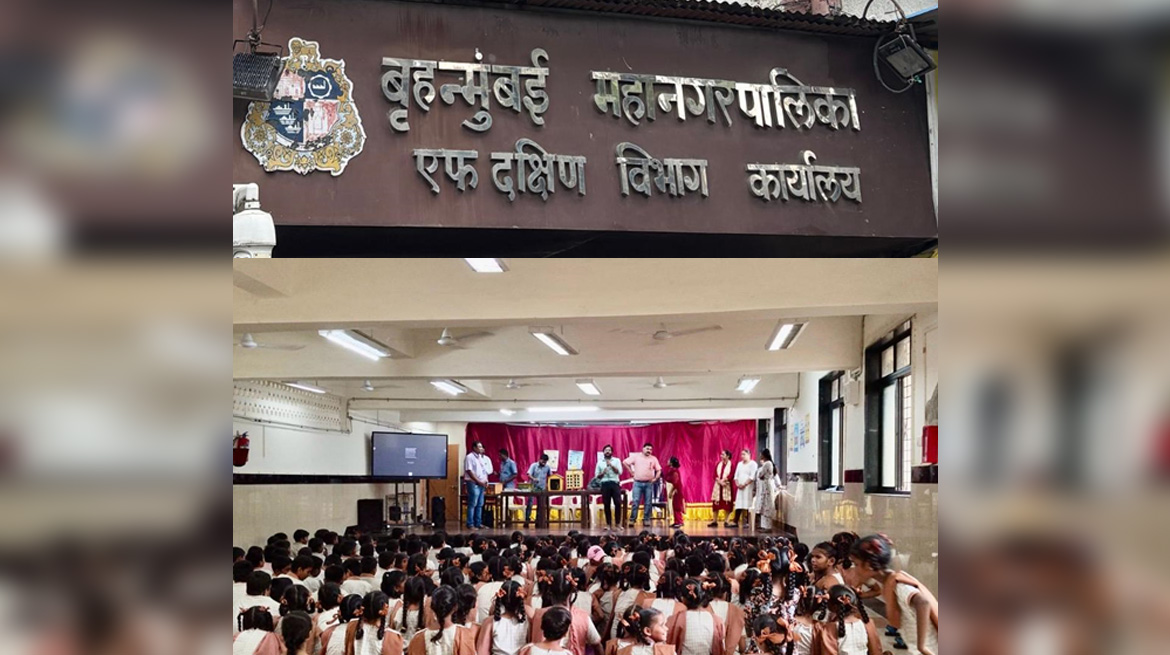
Here, we spend three months at BMC ward offices. This exposure to the urban public health system is extensive, immersive, and educational. For me, my time at the F South BMC Ward in Parel was the closest I’ve come to experiencing public health as it operates in India.
This blog is a brief account of my activities during my three-month DRP.
Beginning of the Posting: Research and Surveillance Work
My DRP started in May 2025 with data collection for a research project under the Executive Health Officer (EHO) of the Public Health Department. The project aimed to identify cases and controls for leptospirosis, a significant public health concern in Mumbai, especially during monsoon season.
I visited multiple hospitals in the city to collect relevant data. The first location was Cooper Hospital, followed by KEM Hospital. This phase lasted nearly 1.5 months and gave me firsthand experience with hospital-based surveillance, coordination with the Dean, department heads, clinicians, the microbiology department, the laboratory, and the MRD office. It also highlighted the practical challenges of conducting epidemiological research in a metropolitan setting.
Outreach Immunisation Services
During this time, I also attended an immunisation camp at Abhyudaya Nagar, organized specifically for children under five years of age. Outreach camps like this are vital in urban slum areas, where families often struggle to access hospital services. These camps emphasize the importance of delivering immunisation services to reach vulnerable populations.
Intersectoral Coordination: Construction Sites and Monsoon Preparedness
Another important learning experience involved attending a meeting with:
- Medical Officers of Health (MOH)
- Pest Control Officers (PCO)
- Safety officers from various construction sites
The meeting addressed public health risks during monsoon season, especially mosquito breeding at construction sites, and preventive measures to reduce vector-borne diseases. This experience showed the importance of coordination across sectors, a key principle of public health that becomes practical when witnessed firsthand.
Malaria Surveillance and Field Visits
I joined the malaria department on routine surveillance visits. These involved:
- Identifying active and passive malaria cases
- Following up with patients on antimalarial treatment to monitor side effects
- Inspecting surrounding areas for potential mosquito breeding sites
- Communicating with the PCO for necessary vector control measures
This experience made it clear how disease surveillance, treatment follow-up, and environmental control work together in real-world public health practice.
Vaccine Safety and AEFI Reporting
I also participated in a meeting focused on the procedures for reporting Adverse Events Following Immunisation (AEFI). The session covered reporting methods, timelines, and responsibilities connected to various vaccines, another vital aspect of immunisation programs.
Health Post Visits and Routine Public Health Activities
Next, I visited several health posts in my ward to learn about the range of services they provide. During this time, I also started line-listing malaria cases, gaining experience in routine disease monitoring and documentation at the ward level.
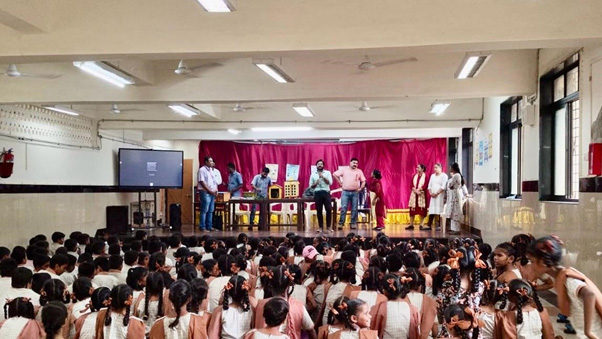
School Health Activities: Community Engagement at Its Best
The final phase of my DRP involved school health activities. This required visiting every BMC school in the ward to give health talks about monsoon-related diseases. We demonstrated live mosquito larvae, taught students how to identify them, and explained how to locate and eliminate potential breeding sites. The students’ enthusiasm and engagement made this part particularly rewarding. Engaging them through interactive Q&A sessions, addressing their doubts, and realising how much the public remains unaware reinforced the role of our branch as a crucial link between disease and the healthcare system. The more effectively we educate the community, the lower the disease burden and, consequently, the reduced need for hospitalisation.
Wrapping Up the DRP
With the school activities finished, my District Residency Posting came to an end. Now, I just need to:
- Obtain my completion certificate
- Say farewell to the many dedicated public health professionals I met during this time
- Return to my primary hospital-based responsibilities
This posting strengthened my belief that public health is best understood in the field, not just in textbooks or lecture halls. For a Community Medicine resident, these postings are not just a job, it is an education in how India’s urban public health system truly functions.