
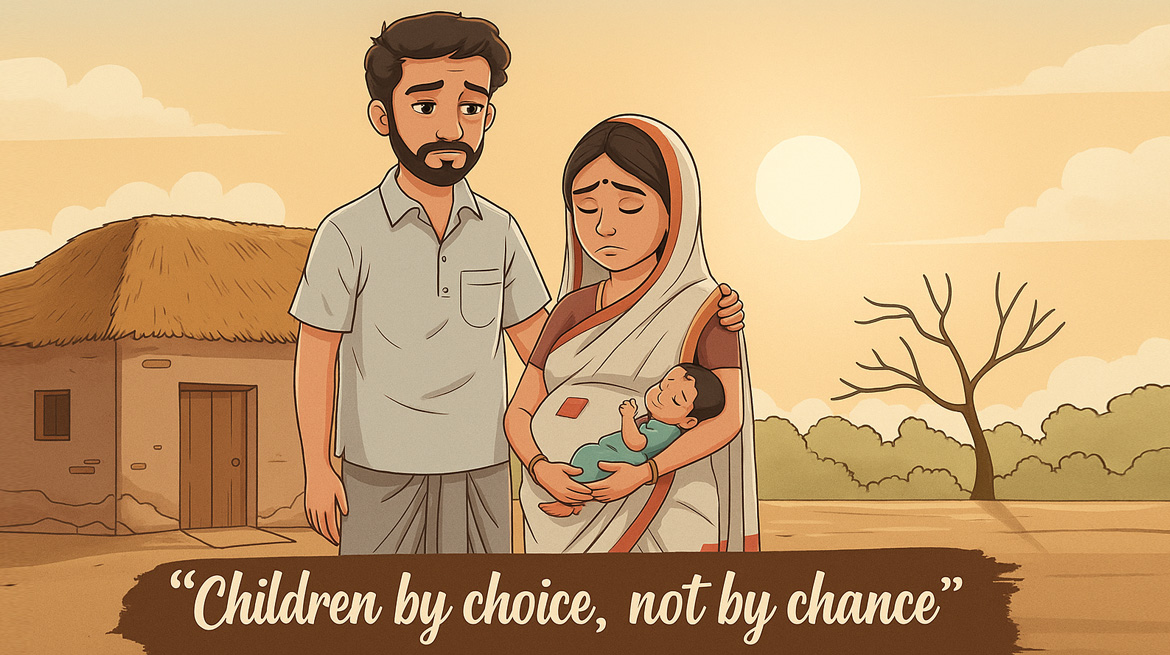
Why Birth Spacing Matters
Birth spacing, the period between one child and the next, is one of the most important factors for maternal and child health. Adequate intervals allow mothers to recover physically and mentally, ensure that children receive proper nutrition and care, and contribute to the overall well-being of the family. The World Health Organization (WHO) recommends a minimum of 24 months between a birth and the next pregnancy, which translates to roughly 33 months between births when gestation is included. Following this guideline reduces the risk of maternal complications such as anemia and preterm labor, prevents low birth weight in infants, and improves overall family health outcomes.
Birth Spacing in Andhra Pradesh
Data from the National Family Health Survey (NFHS-5, 2019–21) shows that the median interval between births is 28 months in Andhra Pradesh. Despite this, 12 percent of births occur within 18 months of the previous child, and 37 percent take place within 24 months. Overall, two-thirds of births occur within three years of the previous child, indicating that many families have shorter intervals than recommended. These short intervals increase health risks for both mothers and infants, highlighting the importance of education, access to family planning services, and community engagement.
Benefits for Mothers, Children, and Families
Proper birth spacing offers multiple benefits. Mothers experience better recovery between pregnancies, which reduces the likelihood of anemia, pregnancy complications, and maternal mortality. Infants benefit from higher birth weights, lower rates of neonatal complications, and improved nutrition and care. Families are also able to plan resources more effectively, reduce financial and emotional stress, and maintain a healthier environment for their children. Communities benefit when mothers and children are healthier, reducing the burden on healthcare services and contributing to overall social and economic well-being.
Challenges to Optimal Birth Spacing
Despite the known advantages, several factors prevent optimal birth spacing in Andhra Pradesh. Cultural and social pressures often encourage closely spaced pregnancies, while limited access to modern contraceptives in rural areas restricts family planning options. Unplanned pregnancies also contribute to shorter intervals, and the preference for male children in some families can lead to pregnancies occurring in quick succession until a son is born. Addressing these challenges requires comprehensive strategies that involve education, access to contraceptives, and empowerment of women in reproductive decision-making.
Role of Healthcare Professionals
Medical professionals play a crucial role in promoting healthy birth spacing. During antenatal and postnatal visits, doctors, nurses, and community health workers can educate couples about the recommended intervals, explain the risks of short spacing, and provide guidance on available family planning methods. Counselling should also address cultural and social barriers and empower women to make informed reproductive decisions. Organizing community awareness sessions, health camps, and group discussions can further strengthen understanding of birth spacing, while monitoring and follow-up visits help couples adhere to their family planning choices. By integrating education, counselling, and contraceptive services into routine healthcare, medical professionals can significantly reduce short birth intervals and improve maternal, infant, and family well-being.
Moving Forward: Promoting Healthy Intervals
Birth spacing is a vital public health practice that improves maternal and child health, strengthens families, and promotes healthier communities. Encouraging couples in Andhra Pradesh to wait at least three years between births can reduce health risks, improve child outcomes, and enhance family well-being. Even a small increase in the interval between pregnancies can have a lasting impact on the health of mothers, children, and society as a whole.
References
- NFHS-5 (2019–21), Andhra Pradesh. https://rchiips.org/nfhs/NFHS-5Reports/
- World Health Organization (WHO). Report on Birth Spacing: Birth-to-Pregnancy Interval Recommendations. 2007.
- UNFPA. Birth Spacing: A Key to Maternal and Child Health. https://www.unfpa.org
- Kundu RN, Borah J, Chatterjee A, Mukherjee K, Bharati S, Hossain MG, et al. (2025) Short birth spacing and its impact on maternal and child health in India with urban rural variation: An epidemiological study using the National Family Health Survey Data. PLoS One 20(6): e0325461. https://doi.org/10.1371/ journal.pone.0325461