
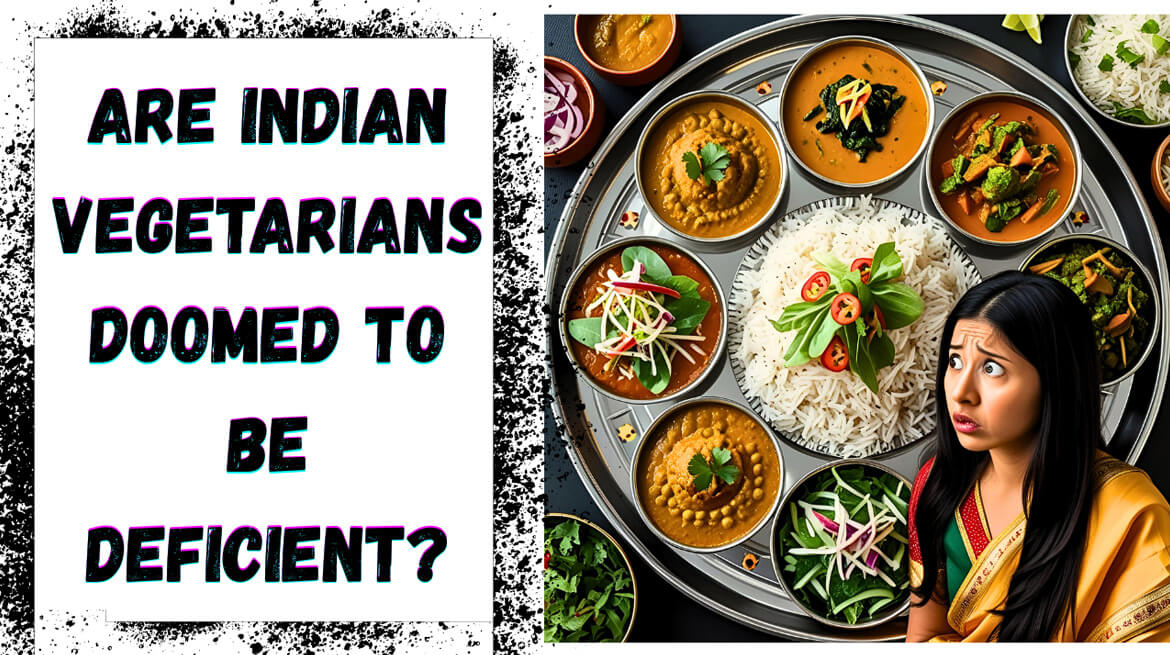
Introduction: Culture vs. Concern
About one-third of the Indian population is vegetarian. The highest number and proportions of vegetarians in the world belong to India, and Rajasthan tops the list among Indian states. Despite the historical roots and widespread adoption of vegetarianism in India, skepticism persists around the nutritional adequacy of plant-based diets. Critics point to potential deficiencies, but is this critique truly valid in the Indian context?
Nutritional Strengths of the Indian Vegetarian Plate
Indian vegetarian cuisine is rich in pulses, grains, dairy, vegetables, seeds, and spices—all of which contribute to a diverse and healthful diet. A balanced vegetarian plate offers several nutritional strengths, typically being lower in saturated fat and cholesterol. With the right combination of foods and conscious choices, vegetarians can meet nutritional requirements across the board.
1.Vegetarian diets include a variety of phytochemicals (plant chemicals) like carotenoids and flavonoids, which have antioxidant and anti-inflammatory properties.
2.Vegetarian diets are typically rich in fiber from fruits, vegetables, whole grains, and legumes, which is beneficial for digestion, blood sugar control, and heart health.
3.They are a rich source of Vitamins and Minerals. For example; vitamins C and E, folate, potassium, and magnesium.
4. Research suggests that vegetarian diets are associated with lower risk of heart disease, type 2 diabetes and certain types of cancer. It is protective and support healthy skin, containing anti-inflammatory and anti-oxidants properties.
Notable risks from meat and egg-based diets: Research has shown increase in risk of colorectal cancer, cardiovascular diseases and type 2 diabetes from consumption of processed meat, red meat and eggs. Non vegetarian diet production has humongous carbon foot print as well. We may need several Earths to feed the population if everyone decides to survive exclusively on non-vegetarian food. Such consequences are not attached with vegetarian diets.
Vegetarian diet in pregnancy and lactation: A well-planned vegetarian diet during pregnancy may offer several benefits, including reduced risks of gestational diabetes, preeclampsia, and excessive weight gain. Rich in fiber, vitamins, minerals, and antioxidants, it supports maternal and fetal health. Lower exposure to nitrates from cured meats may also decrease the risk of neural tube defects. Additionally, such diets may positively influence the child’s health, potentially lowering the risk of allergies, eczema, and digestive issues.
Deconstructing the Deficiency Myth
| Concern | Deficiency Risk | Indian Dietary Solutions |
|---|---|---|
| Protein | Muscle loss, poor immunity | Pulses (dal, chana), legumes (rajma), dairy (paneer, curd), soy, nuts |
| Iron | Fatigue, anemia | Leafy greens (spinach, methi), lentils, jaggery, sesame, whole grains |
| Vitamin B12 | Neurological symptoms | Fortified dairy, curd, lassi, supplements |
| Omega-3 Fatty Acids | Heart and brain function | Flaxseeds, walnuts, mustard oil, leafy vegetables |
| Calcium | Bone health | Ragi, milk, curd, paneer, sesame seeds, amaranth |
| Zinc | Immune deficiency | Whole grains, legumes, pumpkin seeds, cashews |
| Vitamin D | Weak bones, low immunity | Sunlight exposure, fortified dairy, mushrooms, supplements |
| Iodine | Thyroid issues | Iodized salt |
| Fiber & Antioxidants | Poor digestion, inflammation | Vegetables, fruits, whole grains, spices like turmeric and cumin |
Some common Pitfalls in Vegetarian Nutrition
The following missteps can lead to nutritional imbalances:
- Overdependence on refined grains and potatoes with low nutrient density.
- Focus on quality/variety more than quantity (rice).
- Limited food diversity, especially in rushed urban diets.
- Excess use of deep-fried or packaged veg snacks high in saturated fat and salt.
- Neglecting micronutrients like B12 and D, which aren’t naturally abundant in plant foods.
Strategic Eating for Nutritional Balance
Indian vegetarians can easily prevent deficiencies through simple, proactive measures:
- Mix grains and pulses for complete protein profiles (e.g., khichdi or rajma with rice).
- Rotate legumes and dals to avoid repetition and boost variety.
- Incorporate seasonal vegetables from local markets—drumsticks, gourds, greens, tubers.
- Include fermented items such as idli, dosa, and curd for better nutrient uptake.
- Cook with traditional oils like mustard or groundnut for omega-3 and heart health.
- Seek morning and evening sunlight for natural vitamin D and use fortified foods when needed.
Omega-3 fatty acids: Vegan diets are low in EPA and DHA, as ALA from plants converts poorly. Algae supplements and DHA-fortified foods like soy milk can help boost levels. Good ALA sources include flaxseed, walnuts, and canola oil
Deconstructing the Deficiency Myth
| Ingredient | Health Benefits |
|---|---|
| Turmeric (Haldi) | Enhances immunity, supports digestion, improves absorption when paired with black pepper |
| Black Pepper (Kali Mirch) | Boosts bioavailability of nutrients like B12 and curcumin, improves gut health |
| Cumin (Jeera) | Promotes iron absorption, aids digestion, contains antioxidants |
| Ginger (Adrak) | Reduces inflammation, aids metabolism, eases indigestion |
| Asafoetida (Hing) | Reduces gas and bloating from legumes, antimicrobial |
| Coriander (Dhania) | Supports blood sugar control, contains vitamin C and essential minerals |
| Fenugreek (Methi) | Rich in fiber and iron, supports hormonal balance, helps regulate blood glucose |
These are functional elements of a traditional health system that complements and enhances vegetarian nutrition.
Conclusion: Power in Plant-Based Tradition
Indian vegetarians are not doomed—they’re privileged. With generations of culinary wisdom, abundant local produce, and easy access to nutrient-rich staples, vegetarians in India can enjoy strong, vibrant health. A plant-based diet, when thoughtfully curated, is not a compromise—it’s a powerful lifestyle.
References
- World Population Review. Vegetarianism by country [Internet]. 2025 [cited 2025 Jul 23]. Available from: https://worldpopulationreview.com/country-rankings/vegetarianism-by-country
- Radhika G, Sudha V, Sathya RM, Ganesan A, Mohan V. Nutrient profiles of Indian vegetarian diets – findings from the Indian Migration Study. Nutr J. 2014;13:55. Available from: https://nutritionj.biomedcentral.com/articles/10.1186/1475-2891-13-55
- Food & Nutrition. Transform your health with the Indian vegetarian diet. Food & Nutrition Magazine [Internet]. 2023 [cited 2025 Jul 23]. Available from: https://foodandnutrition.com/transform-your-health-with-the-indian-vegetarian-diet/
- Listonic. Indian meal plan for vegetarians. Listonic [Internet]. 2022 [cited 2025 Jul 23]. Available from: https://listonic.com/meal-plans/en/indian-meal-plan-for-vegetarian
- Times of India. Most common nutrient deficiencies among Indians. Times of India [Internet]. 2020 Sep 28 [cited 2025 Jul 23]. Available from: https://timesofindia.indiatimes.com/life-style/health-fitness/diet/most-common-nutrient-deficiencies-among-indians/photostory/78366357.cms