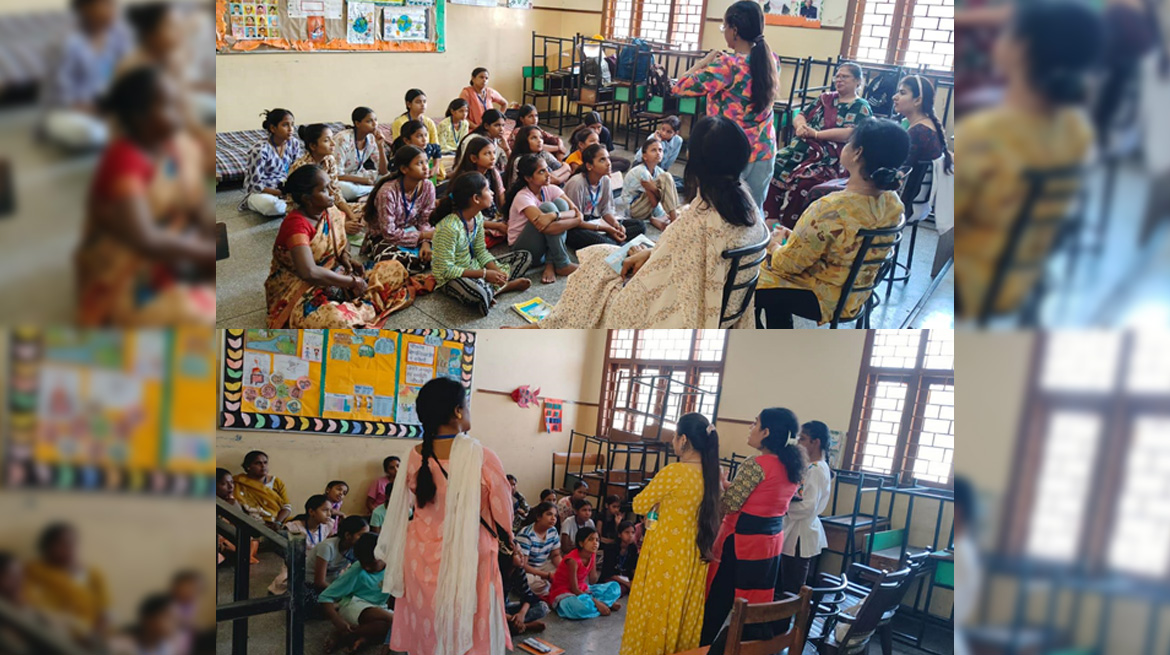
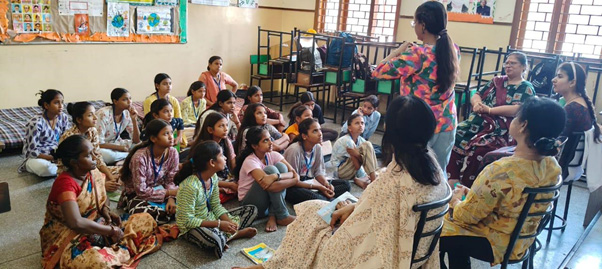
As a medical undergraduate entering the arena of community from guarded hospital walls is an experience to understand and observe the ground realities in terms of health of people. Recently seven of us students accompanied by our senior visited a government school where a summer camp was organized targeting adolescent girls ranging from 13 to 18 years. The task expected from us was to sensitize them regarding physical and mental changes occurring at this age, focusing primarily on menstruation, hygiene, and nutrition.
To start with the conversation what they think about Menstruation, I asked a simple question “What do you understand by menstruation?” The answer left me speechless “It is the dirty blood that comes from body,” they said. That was their understanding of menstruation that it’s dirty, something to be ashamed of. It took us a while to explain that menstrual blood is not ‘dirty’ or ‘impure’, it’s a natural and healthy part of growing up.”
Myths, Taboos and Misconception- As we entered in the hall one girl hesitantly asked almost in whisper “Are you going to talk about pads?” That whisper highlighted the fact that even today in 21st century, this was a topic wrapped in secrecy. As we started talking, myths started pouring in like avoid playing or physical activity during periods. These were the believes girls imbibed while growing up. One of them had her first day of period and one of us offered her painkiller but she said “no we should not take this….”. Another anaemic girl said my mother says not to wash hair during menstruation as it will cool your body and increase your pain. Majority were fine that they don’t have to go to temple, kitchen, etc during the periods as conveyed by their mothers or grandmothers. They avoided tangy food items during periods or even did not feel like eating.
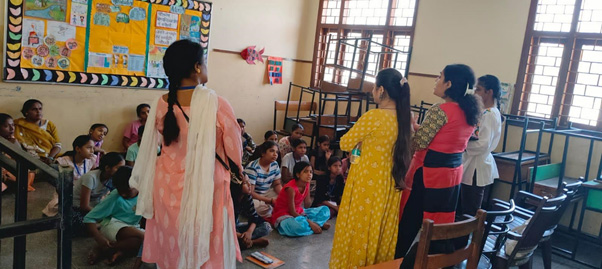
The Bigger picture: Lack of Awareness- What struck us the most was this: not one girl knew why menstruation happens, what menstruation really is or what it means for their bodies. These girls are going to live with this experience for decades and yet they’re starting their journey without any real understanding. However, the cultural taboos being passed on through generations.
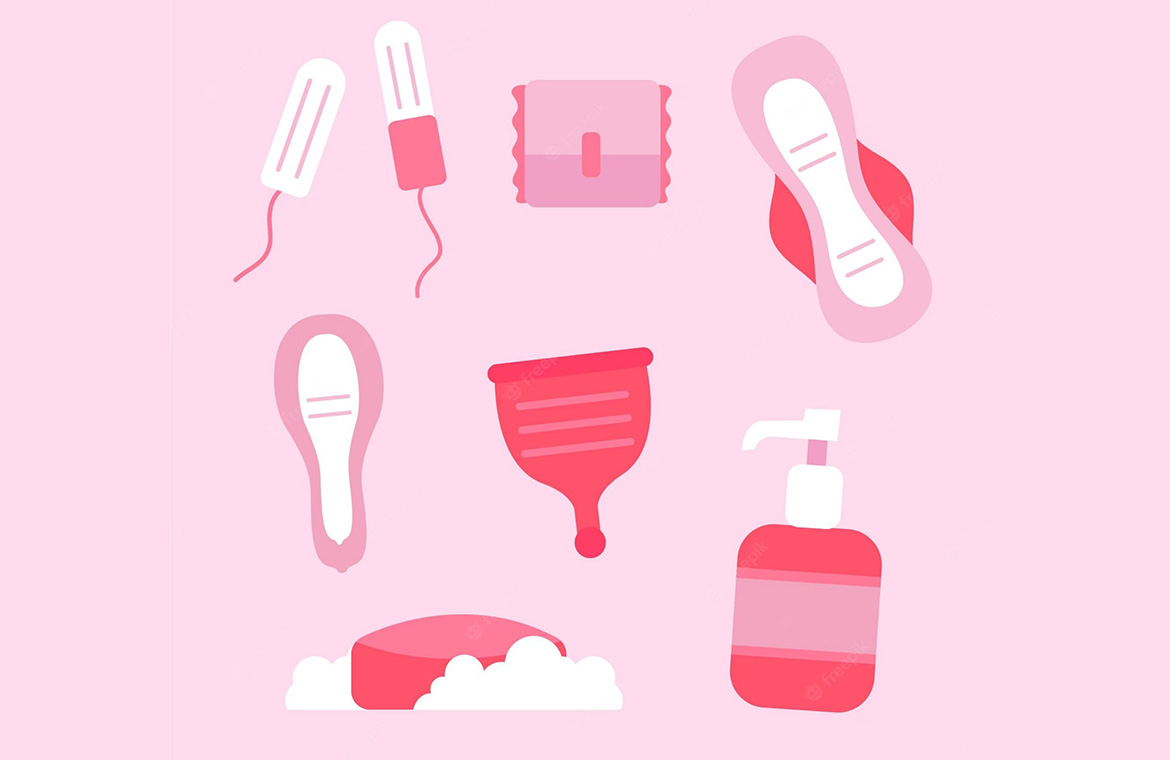
Moving forward: This experience taught us that awareness is first step towards empowerment. We talked about biology of menstruation, proper hygiene practices like hand hygiene, Sanitary pad disposal and Nutrition. It was very encouraging to see that all of them were aware of handwashing steps. Many of them accepted that bathing and cleaning themselves in menstruation period was very important. One of them was also apprehensive about her PCOD, what will happen in future, will it be cured. So, the spectrum of queries was wide ranging from common taboos to the metabolic conditions which they are facing.
The Role of Media and Society: In today’s age digital age health care workers require support from social media, TV, newspapers, NGOs to play a role in normalizing these sensitive conversations. Not all girls were full of myths some were aware through media and the questions were relevant for others too. She was curious about the consistency of blood, whether clots are normal or light red coloured fluid. Menstrual cup was also being used was a good sign towards hygienic periods. Another one was sharing her problem of mid cycle bleed and discharge. They were also conscious about body image asking about what should be ideal weight, as compared to what one of them has seen on social media platforms.
One of my fellow students said why are boys not sensitized about it. As the whispers are because it all remains amongst one gender. Because when a girl no longer whispers about her period but speaks about it confidently that’s when we’ll know we have truly made a difference.