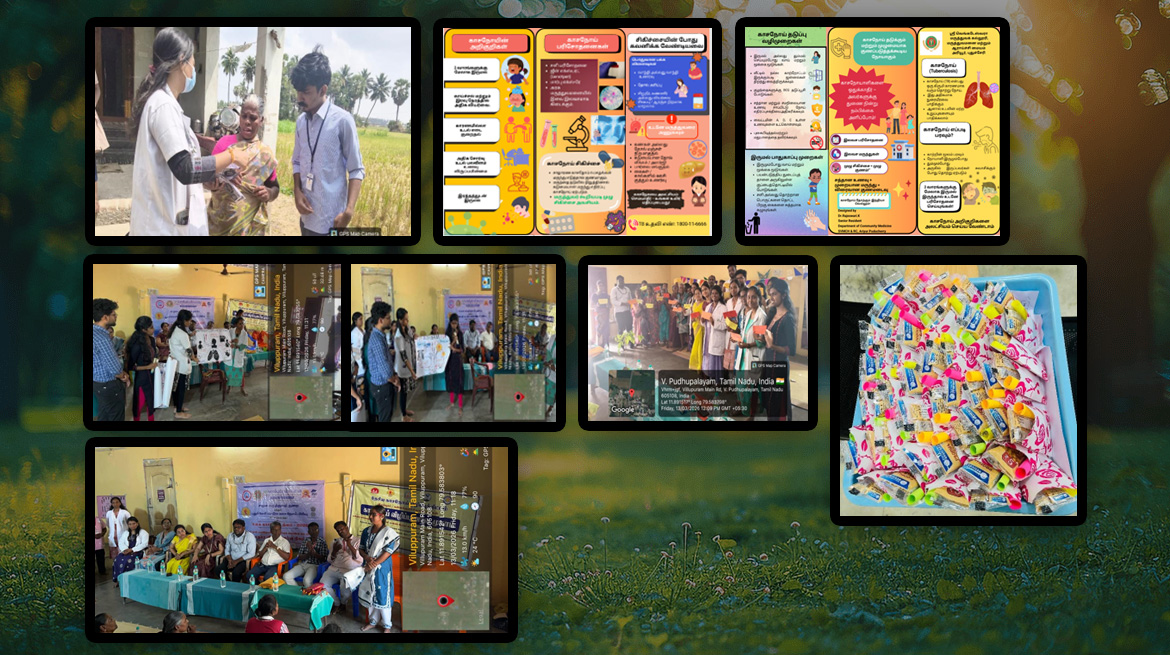
We started our journey from the Rural Health Centre, Valavanur, traveling nearly 10 kilometers with not just pamphlets and charts, but a purpose to take awareness to people who may never reach a health facility. When we arrived at the village, the ground was silent, surrounded by tree-lined empty roads, with only a few people standing at a distance, watching us with curiosity and hesitation.
The space felt empty not just of people, but of information and clarity. We didn’t wait. Led by the Health Inspector and MSW, we walked along the roads, reaching each doorstep, handing over pamphlets with care and purpose. That single piece of paper was not just information, it was awareness entering homes, crossing hesitation, and planting the first seed of understanding.
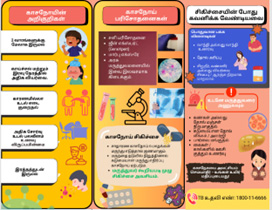
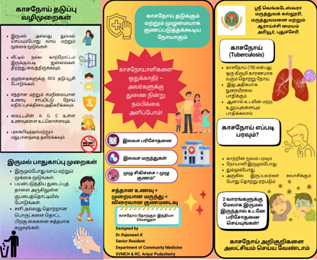
As we approached homes, some voices responded with
“எதுக்கு இந்த பேப்பர் கொடுக்கிறீங்க?”
“இதுல என்ன தகவல் இருக்கு?”
No one entered the session site.
We stood there, looking at each other waiting, expecting, but met only with silence. A quiet question passed between us and the TB Nodal Officer: “Is mobilizing people for a simple health talk really this difficult?”
In that moment, another question grew stronger in my mind
“WHOSE MISTAKE?”
If awareness struggles to reach people, is that why TB remains a global burden?
Can we end TB? In all responsible mind!
Slowly, the session site changed to small crowd with some curious, some hesitant and gathered around. They sat down quietly, forming a circle of listeners. The session began with a simple health talk, explaining the symptoms of TB, how it spreads, and most importantly, that it is curable. The words were simple, but they carried weight.
Not just acting for display but changing minds through role play!
Then the interns (CRMI) stepped forward for a role play. They portrayed a story of delay, fear, and misunderstanding a patient ignoring symptoms, a family reacting with worry, and the consequences that followed with their amazing act and explaining with charts. The audience watched closely, with genuine interest, their eyes fixed on the performance. Some nodded in agreement, as if they had seen similar situations before! Even near to their own homes.
As the role play unfolded, the silence slowly turned into engagement. A few participants leaned forward, whispering to each other, trying to relate the scenes to their own experiences. Soon, hands began to rise.
“நீண்டநாள் இருமல் இருந்தா எல்லாமே TB தானா?”
“அருகில் உட்கார்ந்தாலே பரவுமா?”
“TB வந்தவங்களை ஏன் ஒதுக்கி வைக்கிறாங்க?”
These were not just questions.
They were reflections of misunderstanding shaped by fear.
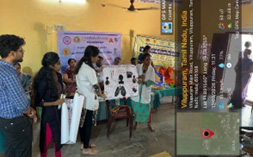
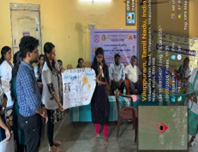
Health team on the ground, where real change is found
The TB Health Visitor and STS emphasized that TB testing is free and available in government facilities, sharing real-life experiences of how early diagnosis can change lives. In the middle of the session, an elderly grandmother raised and spoke up. She had a long-standing cough but had been told it was asthma and was using inhalers. She asked
“நான் மருத்துவமனை மாற்றணுமா?”
“டெஸ்ட் இலவசமா?”
“ஆஸ்துமாவுக்கும் மருந்து இலவசமா கிடைக்குமா?”
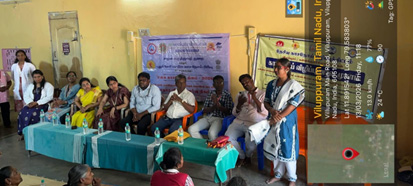
The team gently clarified that TB and asthma are different, but any cough lasting more than two weeks must be tested, and both TB services and asthma care are available in government facilities. As she listened, her worry slowly eased.
The STS then shared his field challenges how people often delay testing, hide symptoms due to stigma, and sometimes discontinue treatment midway. To strengthen the message, a TB Champion spoke about their own journey how stigma affected their life more than the disease, and how treatment helped them recover and rebuild.
Colours in Hand, Turning Myths into Facts
After reading the pamphlets, participants moved into a Myth vs Fact activity using coloured papers. At first, there was hesitation old beliefs like “TB spreads through food” surfaced. But as discussions unfolded, those myths began to fade. The colours in their hands turned into symbols of change myths took flight, and clarity took its place.
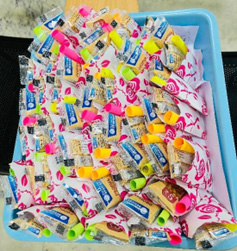
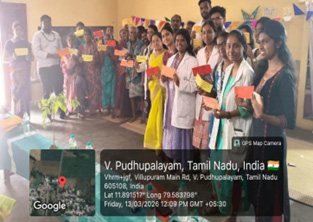
Participants in the crowd realized “இதுவரை சரியான தகவல் இல்லாமல், தெரியாம நாமே எத்தனை பேரை ஒதுக்கிட்டோம்னு இப்போதான் உணர்கிறோம்.”
A simple pamphlet changed perception,
a simple session broke stigma,
and a community moved one step closer to ending TB.
And once again, the question echoed—
“Whose mistake?”
This time, the answer was clear.
- Not one person
- Not the health system
- Not the health workers
- But all of us!