In 2018, in a small tribal village called Kunakudu, near the sacred Niyamgiri Hills in Kalahandi district of Odisha, I met a young tribal girl who unknowingly changed the direction of my life.
Her name was Milabati.
She was quiet and hesitant, standing slightly away from the group during a menstrual health awareness session. After everyone began leaving, she slowly walked toward me, looking around to make sure no one was listening.
Then she whispered something that I will never forget:
“Didi… is it normal to bleed every month?”
That simple question carried years of silence.
Milabati had experienced her first period months earlier but had never been told what it meant. She thought something was wrong with her body. Like many girls in remote tribal communities, she used an old piece of cloth during her periods and hid it carefully, drying it secretly so that no one would see.
In that moment, I realized that menstruation was not just a health issue here ; it was surrounded by fear, myths, and shame.
Standing there in Kunakudu, I silently promised myself that this silence needed to be broken.
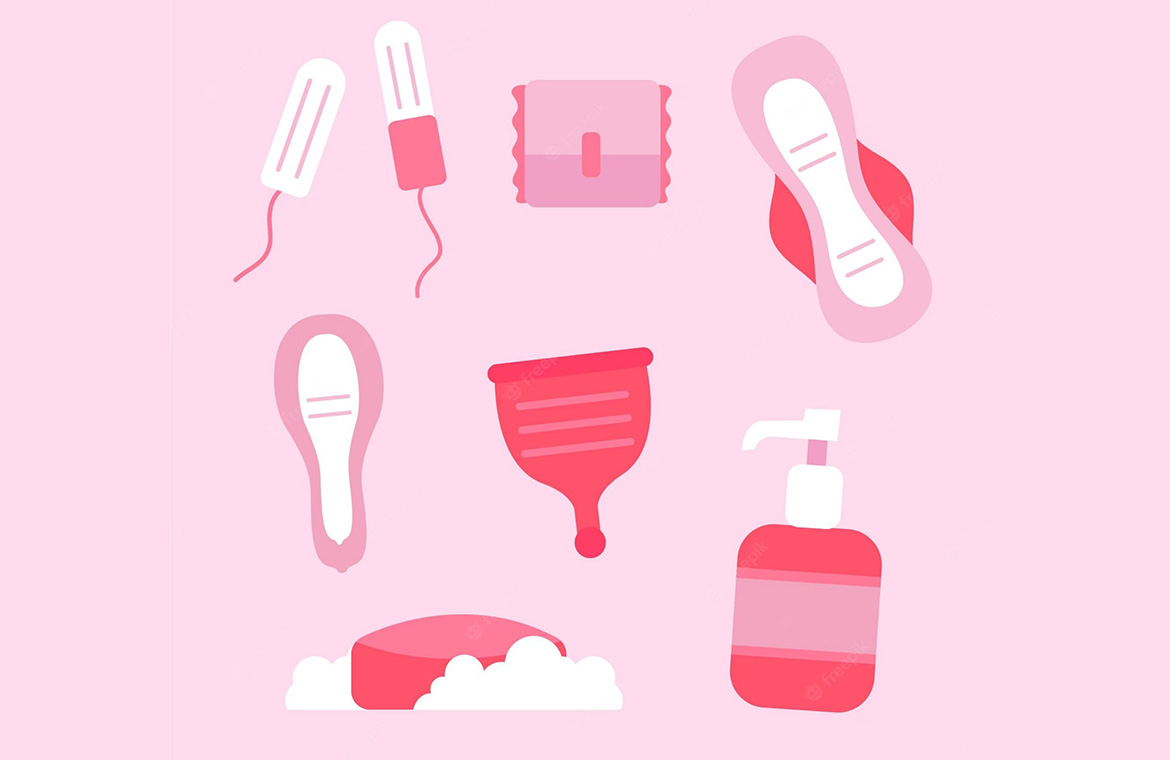
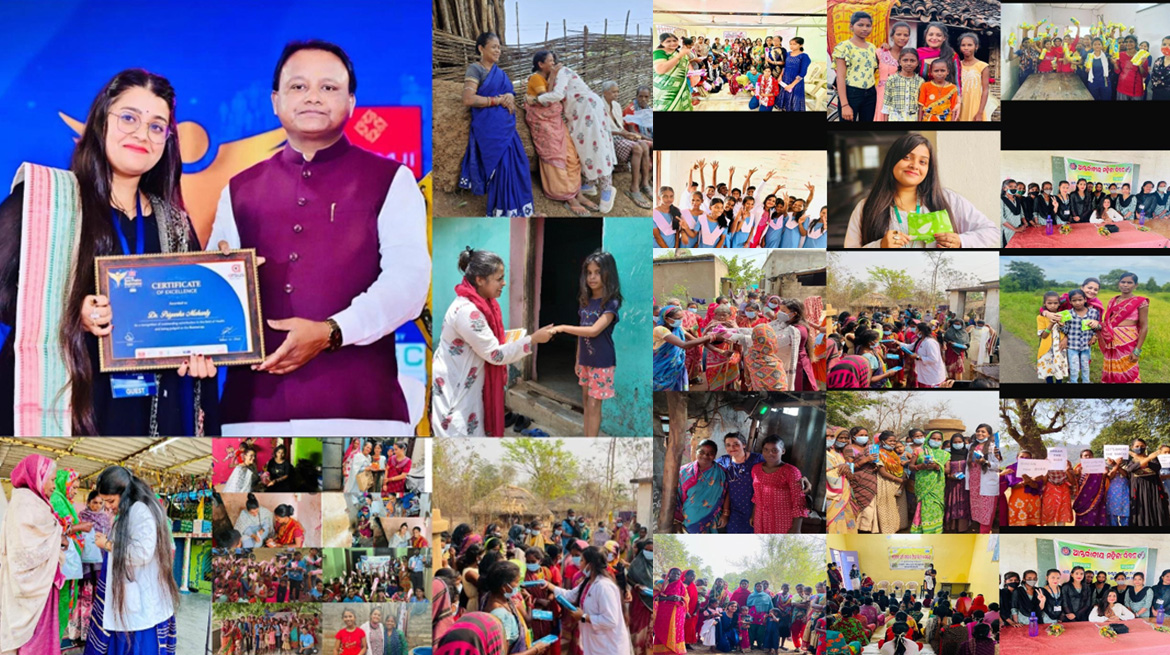
For the past seven years, I have been working with tribal communities to promote Menstrual Hygiene Management and fight against period shame and period poverty at remote villages of Odisha.
The journey began with simple steps walking from door to door, speaking with mothers, adolescent girls, and families about menstruation and hygiene.
At first, conversations were difficult. Girls would look down in embarrassment whenever the topic was mentioned. Many mothers had never received menstrual education themselves, so the cycle of silence continued across generations.
To reach people more effectively, I began creating podcasts and videos in local dialects, explaining menstrual hygiene practices and reproductive health in simple language that communities could relate to.
Slowly, awareness started spreading.
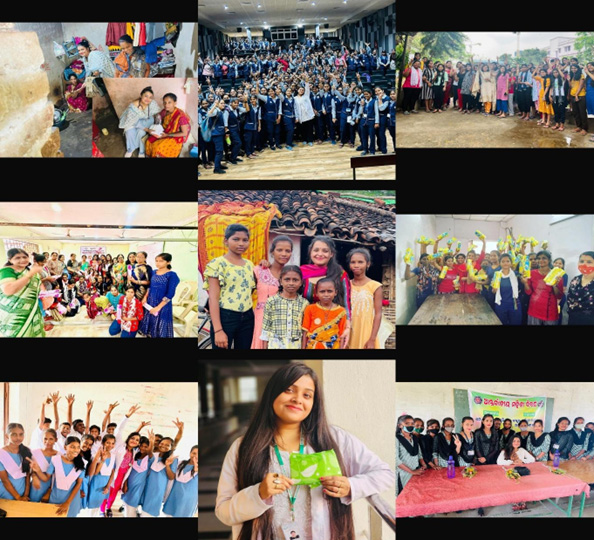
Girls began asking questions. Mothers started discussing menstruation more openly with their daughters. The silence that once surrounded this topic slowly began to fade.
As awareness grew, I was invited as a guest speaker in schools, ITIs, colleges, and educational institutions. In these sessions, I spoke about menstrual health, myths surrounding periods, hygienic practices, nutrition during menstruation, and the importance of dignity and empathy.
These sessions often became powerful conversations where girls shared their experiences and asked questions they had been afraid to ask before.
And each conversation felt like one more step toward breaking the stigma.
Later, when I chose Community Medicine for my postgraduate studies, many people asked why.
For me, the answer was simple.
Health does not begin in hospitals — it begins in communities.
Today, my work has extended beyond tribal villages. I now actively work in the urban slums of Bhubaneswar, visiting different bastis and interacting with women and adolescent girls facing similar challenges of stigma, lack of awareness, and limited access to hygiene resources.
In these communities, I continue conducting awareness sessions on menstrual hygiene and reproductive health. I also educate women about Cervical Cancer, explaining how poor menstrual hygiene and lack of screening can increase health risks.
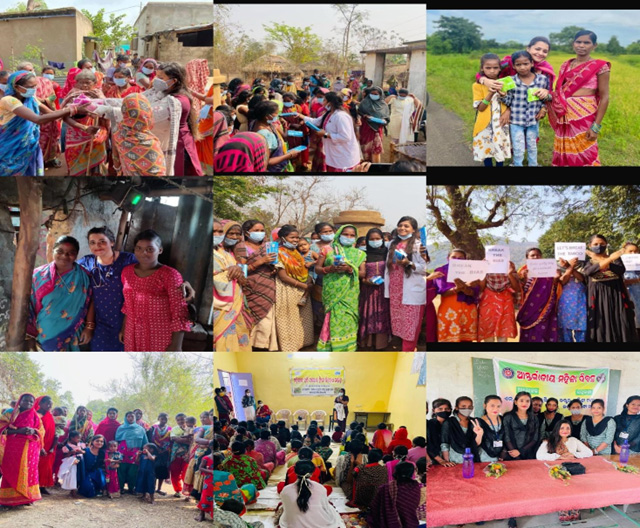
Alongside awareness programs, I promote cervical cancer vaccination and screening and distribute free medicines for period cramps during health camps so that girls do not have to silently endure pain.
There was a day when someone asked me a question that I still remember clearly:
“You are a doctor. Why are you doing so much social work?”
I simply replied,
“I am a human first. I am only trying to save a little humanity that seems to be disappearing from the world. Being a doctor and serving society are not different things , they are the same.”
Because imagine a young girl experiencing her first period, frightened and confused, with no one to guide her.
If healthcare does not reach that moment, then what is the purpose of medicine?
Over the years, this work has been recognised in ways I never expected. I have been honoured by the Chief Minister of Odisha as YUWAH SANMAN 2025 and received several recognitions for my efforts from Rotary International, Yuwahh Unicef, FOX Story India in promoting menstrual hygiene and fighting period stigma.
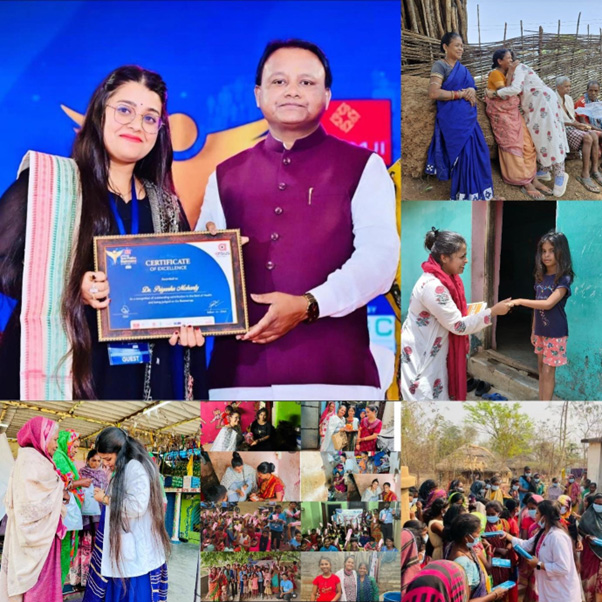
Yet the title that means the most to me is the one given by the people themselves — “Pad Girl of Bhubaneswar.”
It is not just a name; it is a reminder of the countless girls who chose courage over silence.
Even today, when I return home after a long day of visiting villages or bastis, conducting awareness sessions, and listening to the stories of young girls, I feel a quiet sense of peace.Because somewhere, maybe in a small village near the Niyamgiri hills or in a basti of Bhubaneswar, one girl might no longer feel ashamed of her period.
And if that has happened, even for one girl, then the journey that began with Milabati’s whispered question in 2018 was worth it.
But deep inside, I know that this story is not just about Milabati. It is about millions of girls who silently carry the same doubts, fears, and unanswered questions. Each awareness session, each conversation, each girl who learns about her body with confidence adds another step toward a more compassionate society.
One day, I hope we reach a world where no girl whispers her questions in fear, where menstruation is spoken about with the same normalcy as any other aspect of health.
Until that day arrives, I will continue walking through villages and bastis, continuing conversations, sharing knowledge, and listening to the voices that the world often ignores.
Because sometimes, real change begins not with policies or programs but with the courage to answer a single whispered question.
“For every Milabati who whispers her fears in silence, there will always be a Priyanka standing fearlessly beside her until no girl ever has to whisper about her period again.”